
Hope on the Front Porch: What New MU Research Means for Our Neighborhoods
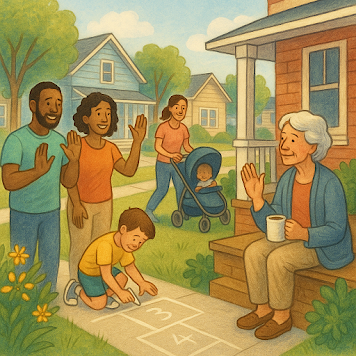
If you’ve ever felt a lift from a spontaneous chat at the mailbox or the sight of a child’s chalk art stretching across the sidewalk, you’ve experienced more than a pleasant moment—you’ve tasted hope. A new six-study project from University of Missouri psychologists Megan Edwards and Laura King followed 2,300 adults and discovered that hope alone —more than happiness, gratitude, or excitement—predicted whether people felt their lives were meaningful. Why does that matter for the block where you live? Because meaning isn’t a private treasure we hoard; it’s social capital that spills over every time neighbors greet each other, share garden tools, or plan a potluck. The MU team notes that people who sense meaning enjoy better relationships, stronger physical health, and even higher incomes. In other words, a hopeful resident is likely to be a better friend, volunteer, and community problem-solver. Turning research into sidewalk practice The researchers outline four...
